If you want an honest glimpse into modern automated software engineering, look at what happens on a Saturday morning when your bot fleet hits an invisible tollgate. I logged into my dashboard to check on my AI minions, only to find fifty-eight blocked tasks staring back at me on the kanban board. Everything had ground to a dead stop. A cloud coding assistant had spent the night churning through pull requests; however, the moment my primary reviewer bot tried to audit the diffs, it ran straight into a provider quota wall. Fifty-eight automated code reviews, PR approvals, and dependency checks were frozen in place because one model had burned through its hourly token allowance.
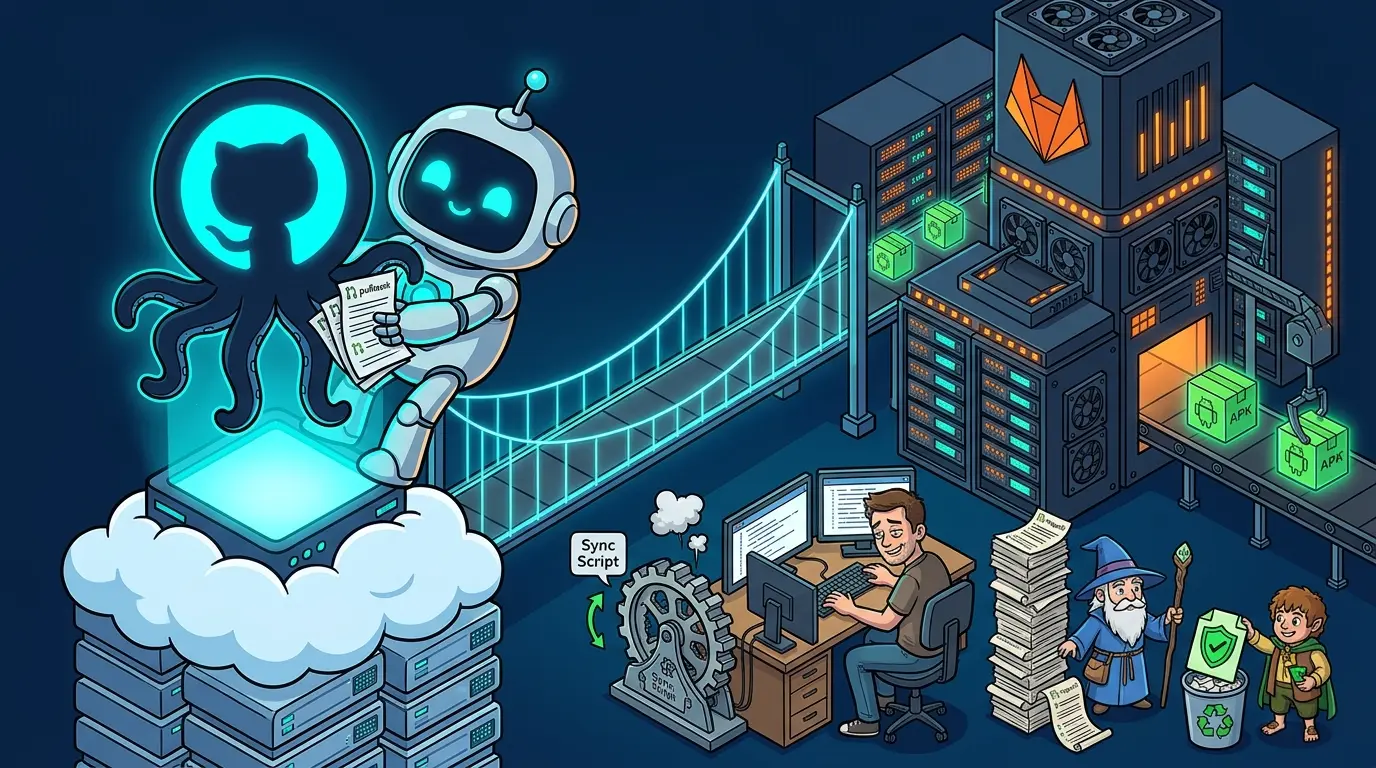
The culprit was Mandos, my local review bot. He sits in the pipeline reviewing code changes alongside Frodo, Gollum, and Aragorn; but when a cloud model starts spitting out dozens of minor refactors, a high-end review model eats rate limits for breakfast. To free up the pipeline, I stepped in with a quota governor script - leasing Mandos to a medium local model under a twenty-four hour lease. I fired off an immediate wake-up heartbeat, watched the fifty-eight pending tasks start draining cleanly across the board, and made a mental note to throttle concurrency later that night so the committee would stop slamming into provider walls. The future of autonomous coding, it turns out, involves a lot of waiting around in digital traffic.
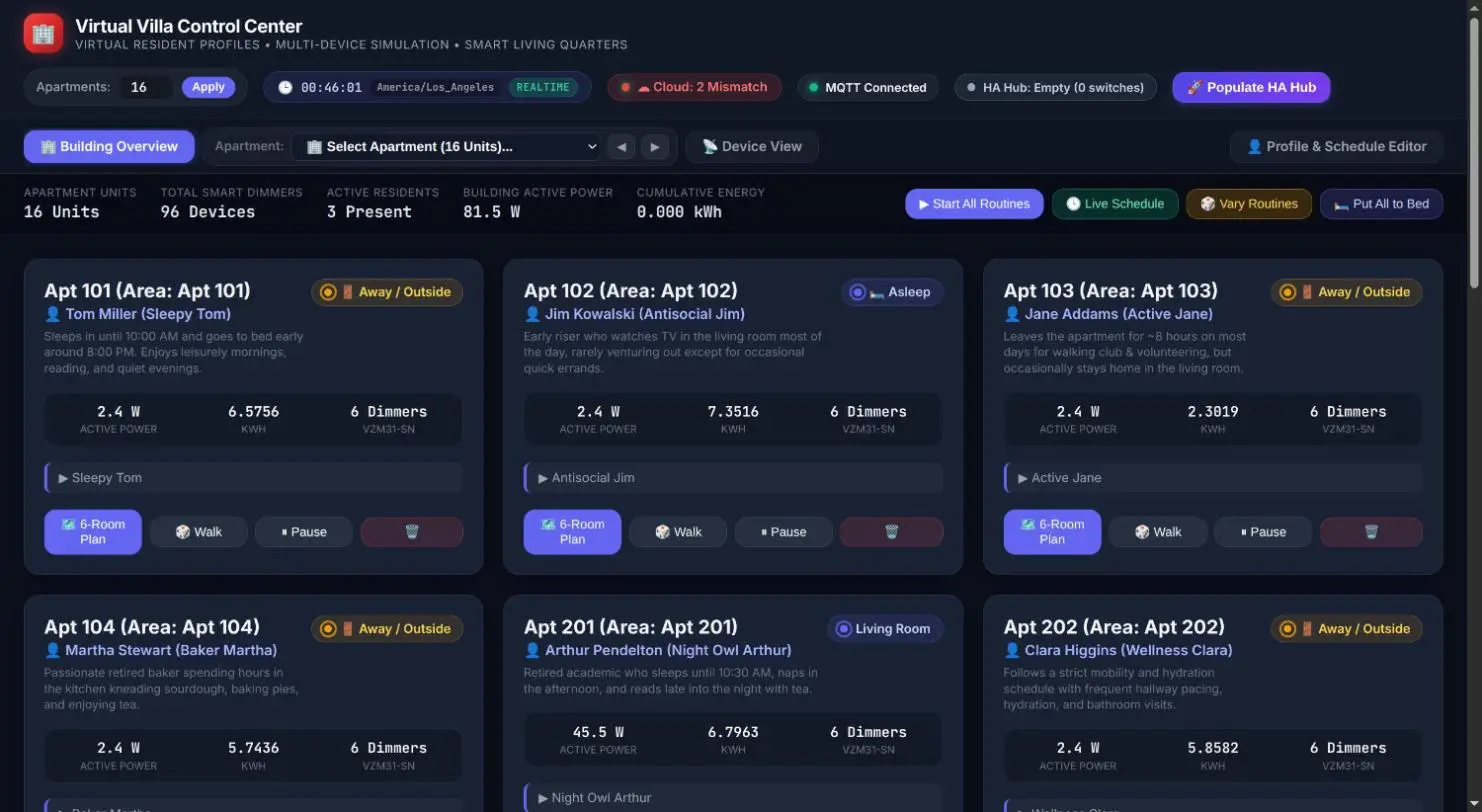
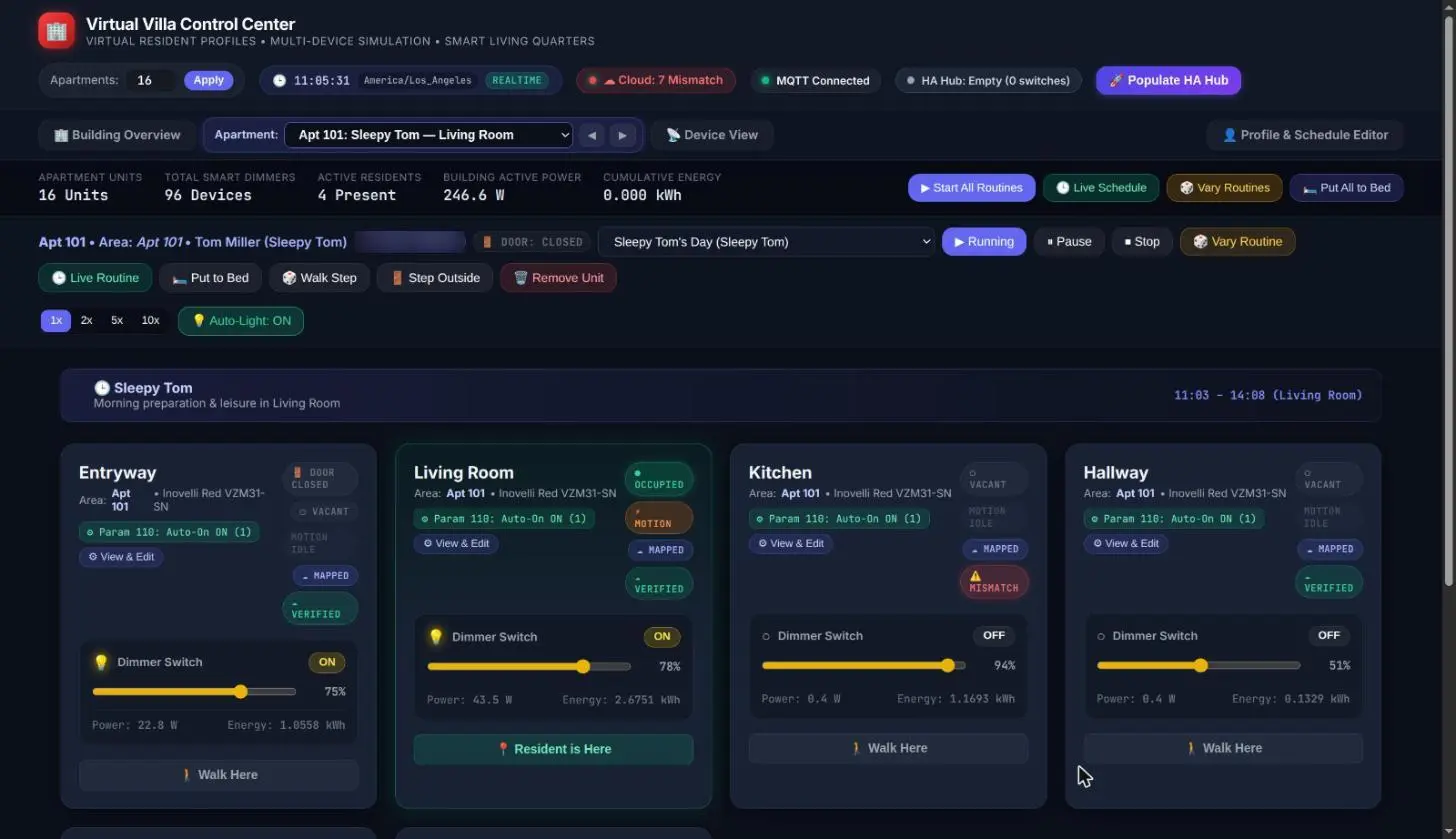
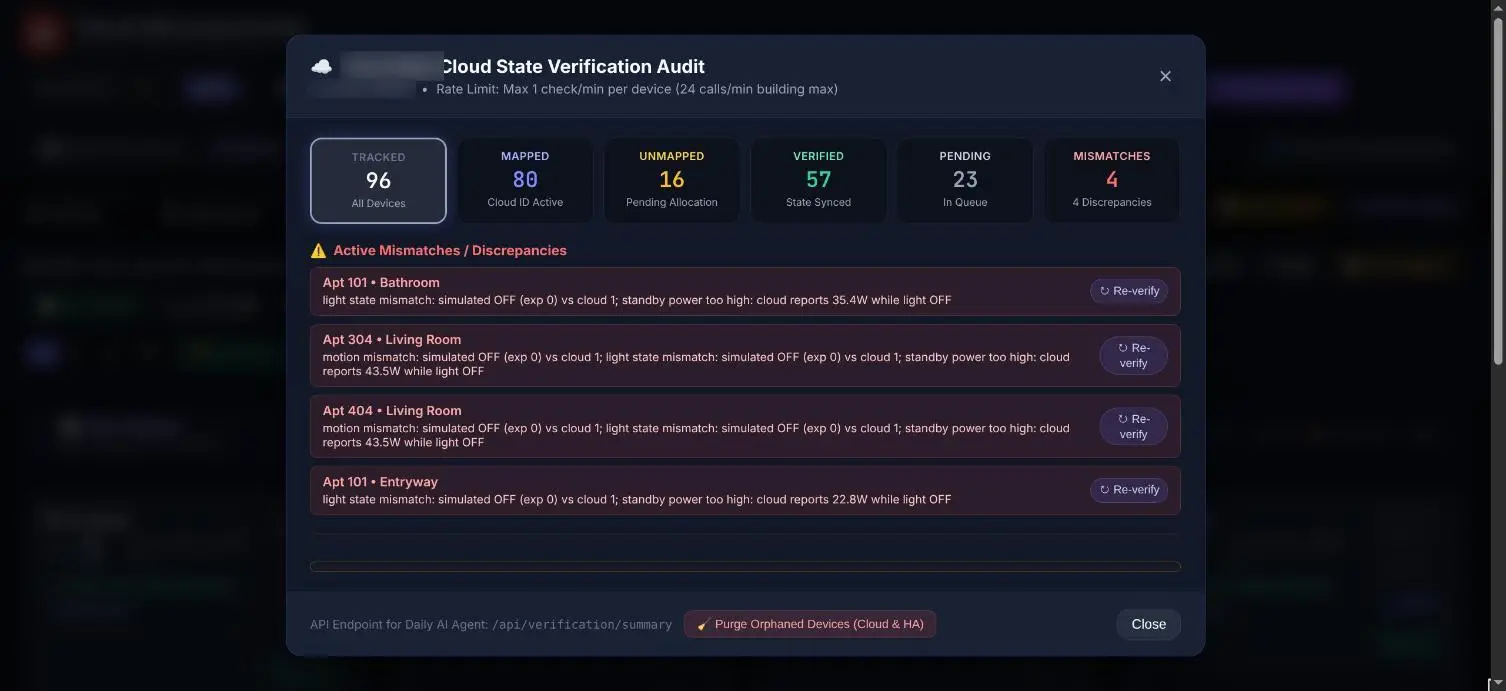
You would think stepping away from the keyboard to relax on the couch would offer an escape from rogue automations, but my living room had other plans. I sat down to watch a movie on Netflix, hoping for some quiet downtime; however, my smart home decided our living room needed the lighting scheme of a police interrogation. Every time someone shifted on the sofa or reached across the table for a handful of popcorn, the motion sensors tripped. Instantly, the lights blasted to full brightness, completely ignoring the television playback state. There is nothing quite like having a dramatic movie climax interrupted by stadium spotlights because you reached for a snack.
It is kind of my fault; let me explain. The cool part, is that as I was on my way out the door, I pulled out my phone and spoke a prompt into the Antigravity remote webapp/page. It described what I wanted, and it knew how to use my Obsidian notebook to find the "production" home assistant instance, find all the automations, and do the stuff. It was just as easy as telling a voice assistant to turn off all the lights. Anyway, all the lights in the house turned off, the driveway light didn't turn on when I walked through the garage door, so I knew the automations were disabled, so I closed the garage door from my watch and rode my bike to find the kids (they were with their mom).
You see, it was Halloween, so I hastily had AI create a "Dark Mode" switch to turn off all the light-based automations and turn the lights off. We normally do this because nobody comes to our house for Halloween, but we also leave a bowl of candy out near the end of the driveway just in case a straggler comes down our street. In my haste, I decided to trust in AI to get the job done without testing the outcome first (I was running behind, the kids were already trick or treating without me.) It worked to shut down the house before I went out; however, not quite everything came back online when I turned Dark Mode off. The final silver lining, is one more prompt to AI and it seems to have fixed things well enough; I have reviewed the tagged resources (always have an audit trail with AI does stuff) and the house lighting systems all seem to be functioning normally (I.E. I never touch a light switch to control a light.)
One more lesson for the books; AI always seems impressive on the surface, but autonomous agent swarms that update your smart home while you are running out the door is beyond what actually works today. In practice, modern engineering feels like an endless cycle of building kill switches and babysitting chaperones. If you are not creating solutions to prevent an AI bot army from burning your GitHub actions quota in a few days, you are searching through your audit trail to try and figure out where things went wrong. We have more automated horsepower than ever, but half the job is just keeping the machines from stepping on their own feet.
Later,
SteveO